4 Critical Google Ads Performance Max Updates in 2026: What Hong Kong Advertisers Need to Know
Since its inception, Performance Max (PMax) has fundamentally changed how we approach digital advertising. Originally introduced as a way to consolidate campaigns and leverage machine learning across all Google-owned properties, it has quickly become the cornerstone of modern search and display strategies. For businesses running Google Ads in Hong Kong, keeping pace with the constant evolution of this platform is no longer optional; it is the very baseline for survival in a highly competitive market.
During our recent “AI-Enhanced Search Marketing: Converting Demand Into Leads and Scalable Sales” workshop at The Hive in Causeway Bay, one of the most frequent questions from local business owners was how to maintain control over automated campaigns. It’s a valid concern. The shift towards algorithmic automation can sometimes feel like surrendering the steering wheel. However, the latest Performance Max Updates for 2026 prove that Google is actually providing more controls and powerful creative tools to those willing to adapt.
In this article, we will break down the most significant updates to PMax, what they mean for your Performance Max optimisation strategy, and how a specialised Digital Marketing Agency in Hong Kong can help you implement these changes effectively to scale your revenue.
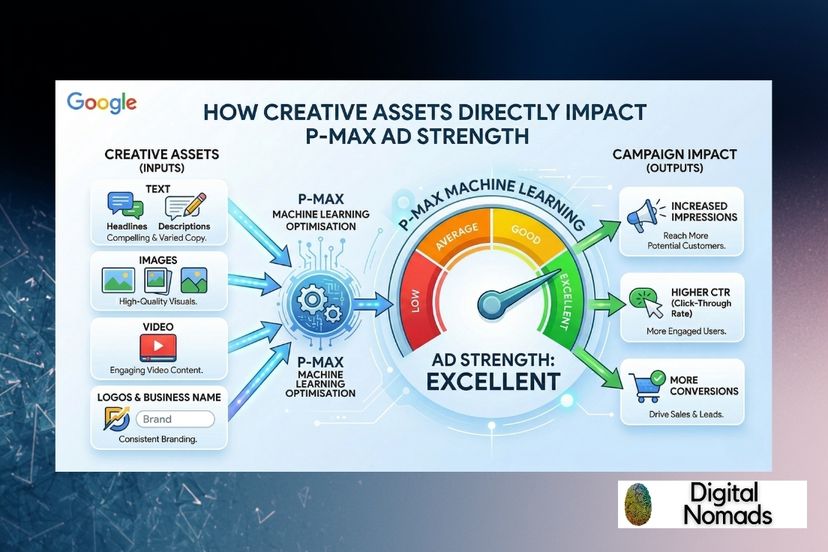
1. Creative Assets Now Directly Impact Ad Strength
Your creative assets (images, videos, and copy) are the lifeblood of your PMax campaigns. Because these ads run across YouTube, Display, Search, Discover, Gmail, and Maps, the system requires a vast array of high-quality assets to assemble the perfect ad variant for the right user at the exact right moment.
Historically, the quality of these assets dictated performance, but a recent update has formalised this metric: the quantity and diversity of your creative assets now directly impact your campaign’s Ad Strength score. While Ad Strength itself shouldn’t be your sole Key Performance Indicator (KPI), it is a crucial diagnostic tool. If you are competing in a tight auction, and all other factors are equal, an advertiser with a highly diverse, “Excellent” rated asset group will likely win the impression over an account with bare-bones creatives.
This means businesses can no longer rely on a handful of static images. A robust Performance Max optimisation routine now demands a continuous stream of fresh, diverse creatives that speak to different audience segments.
Read more about upgrading your overall strategy in The 2026 Digital Marketing Blueprint: How Hong Kong Businesses Can Thrive in the AI Era.
2. AI-Powered Creative Generation with Gemini and Imagen 2
Recognising that producing a high volume of creatives is a major issue for many brands, Google has integrated its most advanced AI models directly into the asset creation workflow.
With the integration of Gemini, advertisers can now seamlessly generate high-performing text assets, including long headlines and sitelinks, tailored to their specific products. Furthermore, Imagen 2, Google’s state-of-the-art text-to-image technology, allows marketers to generate high-quality lifestyle imagery using simple text prompts.
When managing dynamic product catalogues for fast-paced e-commerce brands likeTartes & Pop, the ability to rapidly generate and test new visual concepts without waiting weeks for a full-scale photoshoot is an absolute game-changer. It allows for agile marketing, ensuring that your ads remain relevant to seasonal trends and shifting consumer behaviours. Furthermore, these AI tools come with built-in review mechanisms, ensuring that every piece of generated content aligns with your brand safety guidelines before it goes live.
Discover further insights on leveraging artificial intelligence for your Google Ads in our guide: Driving Results with Google Ads AI Max for Search Campaigns.
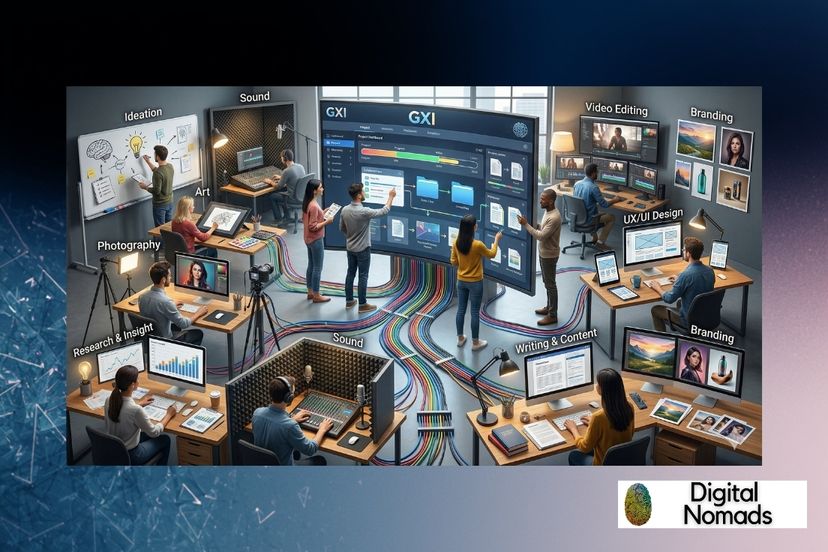
3. Enhanced Targeting Controls: Brand Exclusion Lists
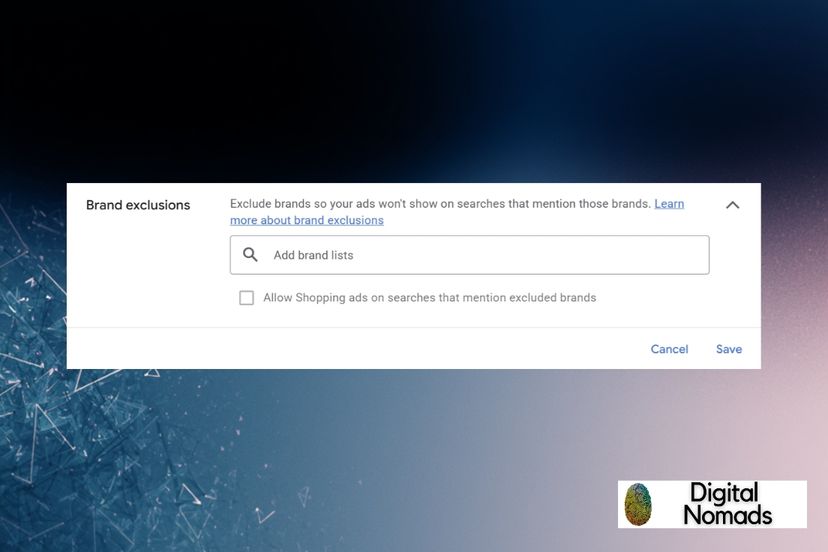
One of the most significant early criticisms of Performance Max was its tendency to cannibalise branded search traffic. Because PMax aggressively chases conversions, it would frequently bid on a company’s own brand terms, taking credit for sales or leads that might have converted organically anyway, while simultaneously inflating the perceived success of the campaign.
To address this, Google has rolled out account-level Brand Exclusion Lists. This is arguably one of the most critical Performance Max Updates for businesses looking to protect their brand equity. By applying these exclusion lists, advertisers can force the algorithm to focus entirely on non-brand prospecting, ensuring that your budget is spent on acquiring genuinely new customers rather than remarketing to those already looking for your name.
For high-end luxury brands, where brand reputation and targeted keyword allocation are paramount, having strict control over where and how the brand name appears in search results is vital. Brand exclusion lists give you that precise control, stopping PMax from stepping on the toes of your dedicated branded search campaigns.
4. Site Exclusions
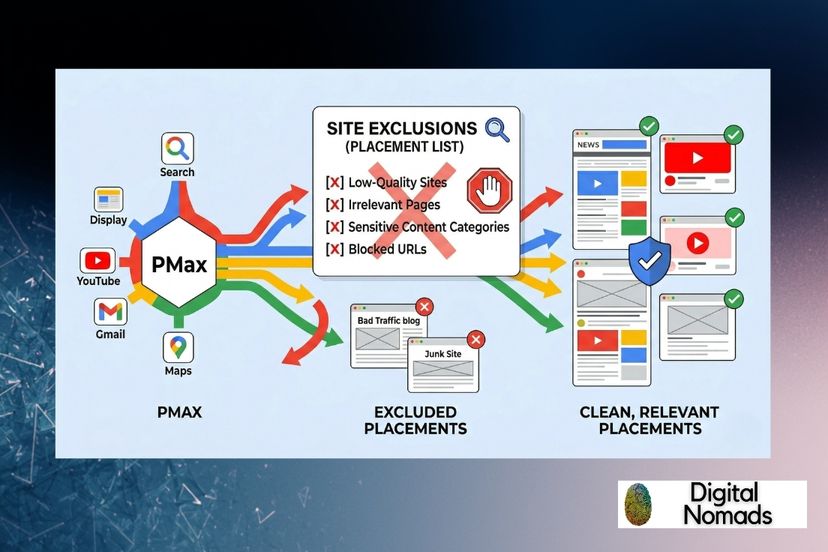
Transparency has always been a point of contention with automated campaigns. Advertisers want to know exactly where their budget is being spent. Thankfully, Google is now offering more visibility and granular control over ad placements.
Advertisers can now exclude specific display placements at the account level, ensuring their ads do not appear on websites that do not align with their corporate values. If you identify a site that is driving low-quality traffic or irrelevant clicks, you can now exclude it across all campaigns in your account, including both standard Search and PMax.
This level of granular control is essential for B2B lead generation in Hong Kong, where the quality of a lead is infinitely more important than the sheer volume of web traffic. Ensuring your ads only appear on reputable, high-converting platforms is the first step in building a sustainable, high-ROI lead engine. We regularly emphasise the importance of clean data and targeted outreach, and these new exclusion tools make achieving that data clarity much easier.
5. The Synergy Between PMax and Traditional SEO
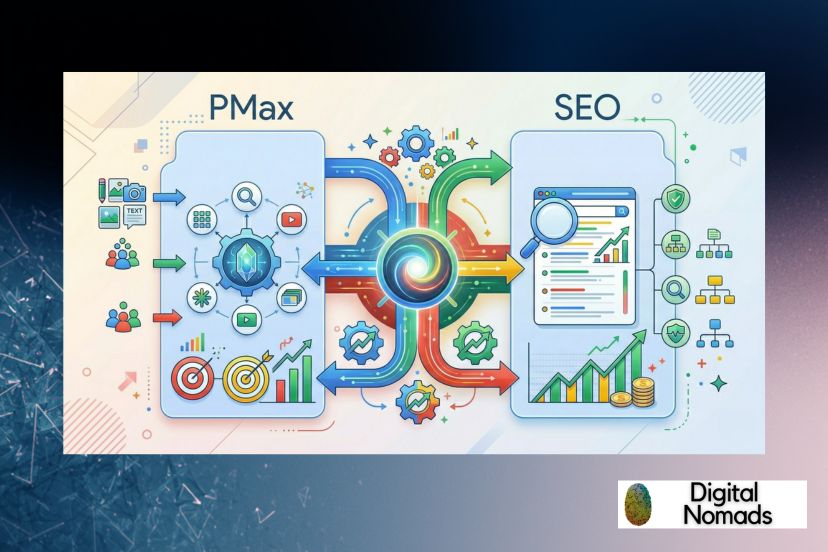
While Performance Max is a powerhouse for paid acquisition, it is not isolated. A common misconception in the industry is that heavy investment in AI-driven paid ads excludes the need for organic search optimisation. This could not be further from the truth.
Even as Google continues to integrate sophisticated AI into its search results, the foundational rules of organic visibility remain entirely intact. Google’s official guidelines still point out that in order to appear in the AI Overviews mentions or AI Mode View, you should continue to optimise your website with traditional SEO rules.
A well-optimised website not only secures your organic rankings but also provides a much stronger foundation for your PMax campaigns. PMax relies heavily on the content, metadata, site structure, and user experience of your landing pages to understand your business and find the right audience. If your technical SEO is poor, or your content lacks depth, even the most advanced AI bidding strategy will struggle to deliver a positive return on investment.
Learn more about organic integration exploring our dedicated SEO Services.
Conclusion: Adapting to the New Search Landscape
The landscape of Google Ads Hong Kong is shifting rapidly. The days of simply setting up a campaign, turning it on, and letting it run are completely over. Today, sustainable success requires a deep understanding of machine learning algorithms, a commitment to producing high-quality creative assets at scale, and the strategic foresight to implement rigorous targeting controls.
The latest Performance Max Updates offer incredible opportunities for businesses willing to put in the work. From leveraging Gemini for ad copy to deploying strict brand exclusion lists to protect your budget, there are more ways than ever to refine, control, and improve your campaigns.
However, mastering these tools requires time, technical expertise, and a holistic view of your entire digital ecosystem. If you are struggling to achieve the desired ROI from your automated campaigns, or if you simply want to ensure you are leveraging every available advantage, partnering with an experienced Digital Marketing Agency Hong Kong can make all the difference.
Ready to elevate your digital strategy? Contact us today for a free consultation and let’s build your 2026 growth engine.
Frequently Asked Questions (FAQs)
What is Google Ads Performance Max? Performance Max (PMax) is an automated, goal-based campaign type that allows advertisers to access all of their Google Ads inventory from a single campaign. It uses machine learning to optimise bids, placements, and creatives across YouTube, Display, Search, Discover, Gmail, and Maps.
How do the 2026 Performance Max updates affect my campaigns? The latest updates place a stronger emphasis on the quantity and diversity of creative assets (impacting Ad Strength), provide native AI tools for asset generation, and offer greater control over brand safety through account-level brand and placement exclusions.
Why is Performance Max optimisation important? Without proper optimisation—such as refining audience signals, updating creative assets, and setting up exclusion lists—PMax campaigns can waste budget on low-quality placements or cannibalise your existing branded search traffic. Active management ensures higher ROI and better lead generation.
Do I still need SEO if I run Performance Max campaigns? Absolutely. Google explicitly states that traditional SEO best practices are still required to appear in AI Overviews. Furthermore, PMax relies on your website’s organic structure and content quality to understand your offerings and match them with the right audience.
About the Author
Francesco Bonafine is the Co-Founder and Managing Director of Digital Nomads Hong Kong. With extensive experience in scaling revenue through data-driven search marketing, he specialises in helping businesses convert demand into actionable leads and scalable sales.